


Why being proactive with your vehicle’s maintenance is a smart idea.
Published September 25, 2025 |  3.5 minute read
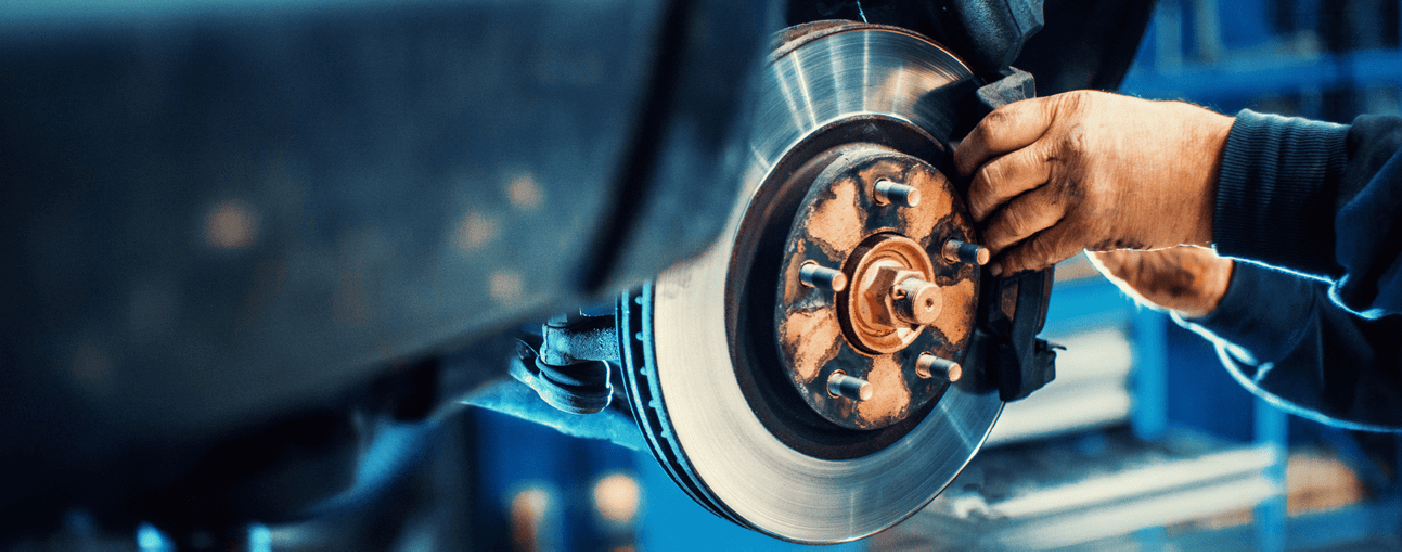
Taking care of your vehicle isn’t just about fixing problems when they arise—it’s about preventing them in the first place. Proactive vehicle maintenance helps keep your car reliable, safe, and cost-efficient over the long run. Instead of waiting for a breakdown or expensive repair, staying ahead with regular checkups and maintenance gives you peace of mind and keeps more money in your pocket.
What does proactive vehicle maintenance mean?
Proactive maintenance is the practice of scheduling regular inspections, servicing, and part replacements before major issues occur. Think of it as giving your car a routine “health check” instead of waiting until it gets sick.
Examples include:
- Oil changes at recommended intervals
- Tire rotations and alignments
- Brake inspections
- Fluid checks and top-offs
- Replacing air filters and spark plugs
Benefits of staying proactive with vehicle maintenance
1. Save Money Over Time
Catching small issues early prevents them from becoming expensive repairs. For example, replacing brake pads on time is far cheaper than repairing worn-out rotors.
2. Extend the Life of Your Vehicle
Well-maintained vehicles simply last longer. Keeping up with regular servicing reduces engine strain and prevents premature wear and tear.
3. Improve Safety
Routine checks ensure that your brakes, tires, and lights are always in top condition, lowering your risk of accidents caused by mechanical failure.
4. Boost Fuel Efficiency
Simple actions like keeping tires properly inflated or replacing a clogged air filter improve gas mileage, saving you money at the pump.
5. Maintain Resale Value
A documented maintenance history makes your car more attractive to buyers or dealerships when it’s time to sell or trade in.
Proactive vs. reactive maintenance
| Proactive Maintenance | Reactive Maintenance |
|---|---|
| Scheduled, preventive care | Fixing issues after they happen |
| Lower overall costs | Often leads to expensive repairs |
| Increases reliability | Risk of sudden breakdowns |
| Boosts resale value | Can reduce resale value |
Steps to create your car budget
- Follow your owner’s manual – It lists recommended service intervals.
- Set reminders – Use a calendar or mobile app to track oil changes, inspections, and tire rotations.
- Listen to your car – Unusual sounds, smells, or dashboard lights should never be ignored.
- Build a relationship with a trusted mechanic – They can help identify potential issues before they escalate.
Secure your auto loan preapproval today
Get preapproved for financing tailored to your budget, giving you peace of mind every mile.
Final thoughts
Being proactive with vehicle maintenance isn’t just about avoiding headaches—it’s about saving money, staying safe, and getting the most life out of your car. A little attention today can prevent big problems tomorrow, making it one of the smartest financial and safety decisions you can make as a driver.
FAQs
How often should I service my car?
Most vehicles benefit from a basic service every 5,000–7,500 miles, but check your owner’s manual for exact recommendations.
Is proactive maintenance really cheaper?
Yes. Preventive care like oil changes and brake pad replacements cost far less than repairing major engine or transmission damage.
Does proactive maintenance affect resale value?
Absolutely. Buyers and dealers often pay more for vehicles with a documented service history.