


New versus used cars: what's the best choice?
Published October 1, 2025 |  4.5 minute read
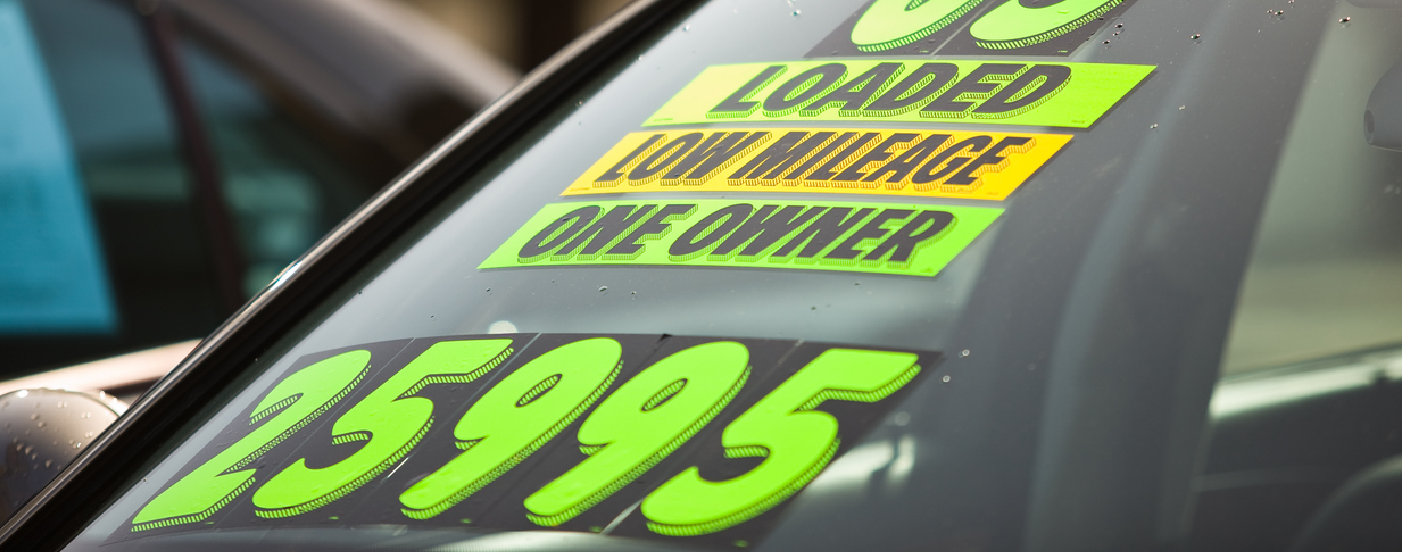
Buying a car is one of the biggest financial decisions many people make. One of the first questions buyers face is: Should I buy a new car or a used one? Both options have advantages and drawbacks depending on your budget, lifestyle, and long-term goals. This guide will break down the pros, cons, and financial considerations of new vs. used cars to help you make an informed decision.
Pros and Cons of Buying a New Car
Buying a brand-new car can be exciting—it means the latest features, full warranty coverage, and that new-car smell. But before you sign, it’s worth weighing the benefits against the drawbacks.
Pros:
- Latest Technology & Safety Features – New cars often come with the newest tech, advanced safety systems, and fuel-efficient engines.
- Full Warranty Coverage – Manufacturers typically offer 3–5 years of warranty, covering repairs and reducing unexpected expenses.
- Customizable Options – You can select the exact color, trim, and features you want.
- Peace of Mind – You are the first owner, so there’s no worry about hidden damage or prior accidents.
Cons:
- Higher Price – New cars are more expensive upfront than used cars.
- Depreciation – A new car can lose 20–30% of its value in the first year alone.
- Higher Insurance Costs – Insurance premiums are generally higher for new vehicles.
Pros and Cons of Buying a Used Car
Going with a used car often means saving money and avoiding steep depreciation, but it’s not without risks. Let’s take a closer look at the advantages and drawbacks.
Pros:
- Lower Cost – Used cars typically cost less than new ones, allowing for potential upgrades or savings.
- Slower Depreciation – Used cars have already gone through their steepest depreciation, so their value holds better over time.
- Lower Insurance Premiums – Insurance often costs less for used vehicles.
- More Car for Your Money – For the same budget, you may afford a higher-end model used than a new car.
Cons:
- Potential for Repairs – Used cars may require maintenance sooner than new cars.
- Limited Warranty – Some used cars may no longer have manufacturer coverage, though certified pre-owned (CPO) options can help.
- Unknown History – Even with vehicle history reports, prior accidents or damage may impact reliability.
When to Choose a New Car vs. Used Car
| When to Choose a New Car | When to Choose a Used Car |
|---|---|
| Latest technology and safety features | Save money upfront or minimize depreciation loss |
| Full warranty and minimal maintenance worries | Comfortable doing routine maintenance and upkeep |
| Planning to keep the car for years | Get higher-end model without overspending |
| New car experience, including dealer incentives | Proven reliability with a track record and verified reviews |
| Rebates, low-interest loans, and loyalty programs | Explore different models or styles while spending less |
Pro Tip: Always research vehicle history, compare financing options, and calculate total ownership costs before making a final decision. Whether new or used, the right car should fit your budget, needs, and long-term goals.
Secure your auto loan preapproval today
Get preapproved for financing tailored to your budget, giving you peace of mind every mile.
Final Thoughts: Should You Buy a New or Used Car?
The choice between a new or used car comes down to budget, lifestyle, and long-term plans.
New cars offer the latest technology, advanced safety features, full warranty coverage, and peace of mind since you’re the first owner. However, they cost more, depreciate quickly (often losing 20–30% of their value in the first year), and usually carry higher insurance premiums.
Used cars are more affordable upfront, depreciate more slowly, and often come with lower insurance costs. For the same budget, you may also get a higher-end model. The trade-offs are potential repair costs, limited or expired warranties, and uncertainty about the car’s history—though certified pre-owned options reduce that risk.
Bottom line: Buy new if you want the latest features, warranty coverage, and plan to keep the car long-term. Buy used if you want to save money, avoid steep depreciation, and get more car for your budget.